


Hunter Harris is the creator of Hung Up, the twice-weekly Substack newsletter where she takes a forensic lens to our culture’s obsessions and her own. She says she and her audience of nearly 200,000 subscribers share the same “disease”—insatiability—and that they’re bonded by a specific tunnel vision: her willingness to write a dozen pieces about A Star Is Born or spend time tracking down the marriage license of Taylor Swift’s publicist, if that’s what curiosity demands. Hung Up is part cultural criticism, part late-night group chat, and an ongoing argument for why pop culture matters. Her chat, where paid subscribers debrief everything from season premieres to their own lives, has become one of the most devoted, lore-dense places on the internet and serves as a master class in how to turn an audience into a social world.
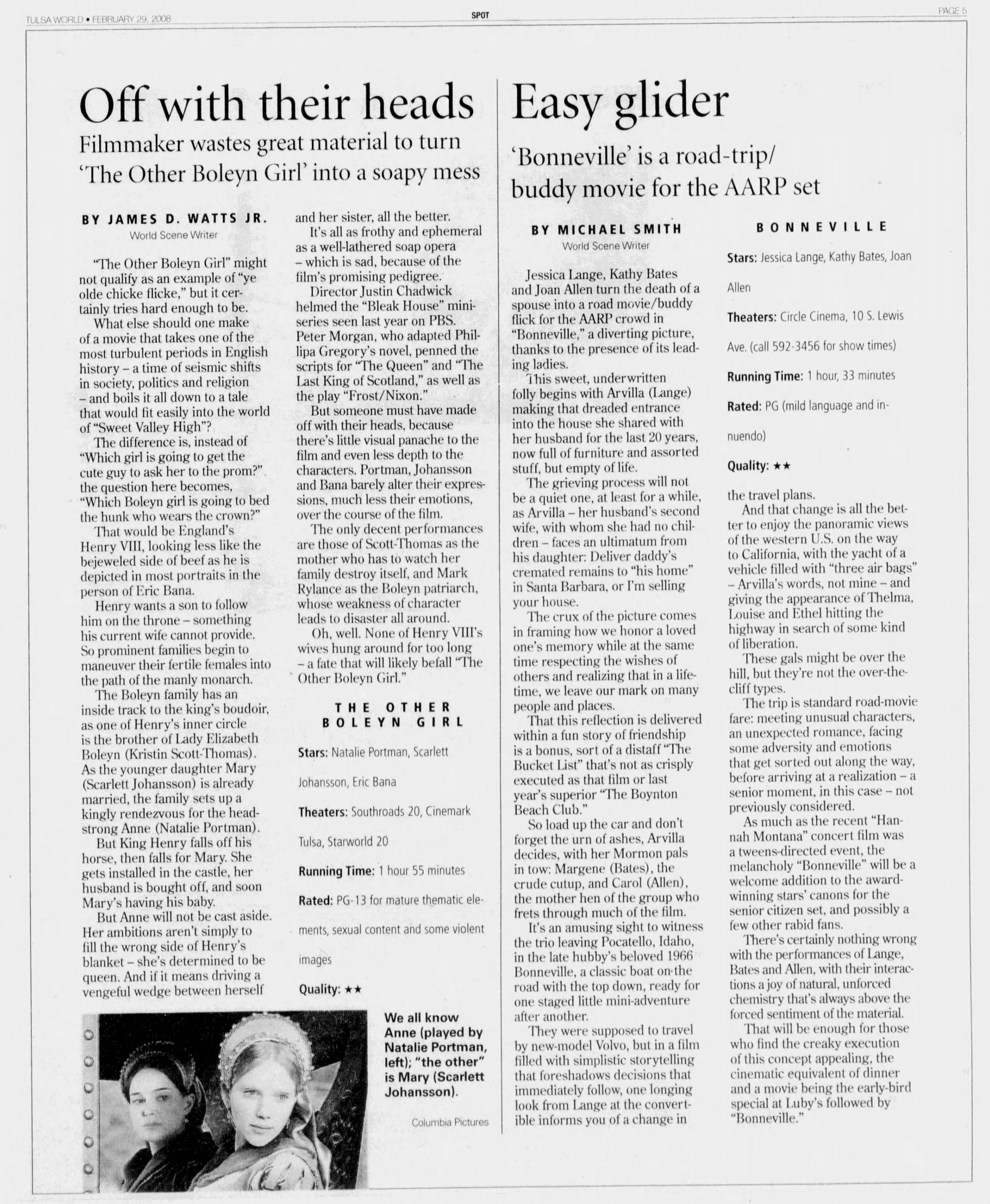
Harris grew up in Tulsa, Oklahoma, where she watched melodramas with her aunt, crime capers with her dad, and, at 12, wrote a letter to the local film critic disputing his review of The Other Boleyn Girl. In this season finale of Open Tab, she sat down with Substack’s head of new media, Hanne Winarsky, to talk about studying journalism (and thinking she might break the next Watergate), her four years at New York magazine’s Vulture, and launching Hung Up on Substack in 2020. They met at Trees Lounge inside the Nitehawk Cinema in Prospect Heights, Brooklyn, one of Harris’s home theaters, sipped tequila gimlets, and filled in the rest.
Hanne: So you have subscription revenue as your core, but you also have a podcast, you do TV writing, you still do some freelance for legacy media, and you do some brand stuff. How do you think about the whole mixed-revenue stream, the business of Hung Up?
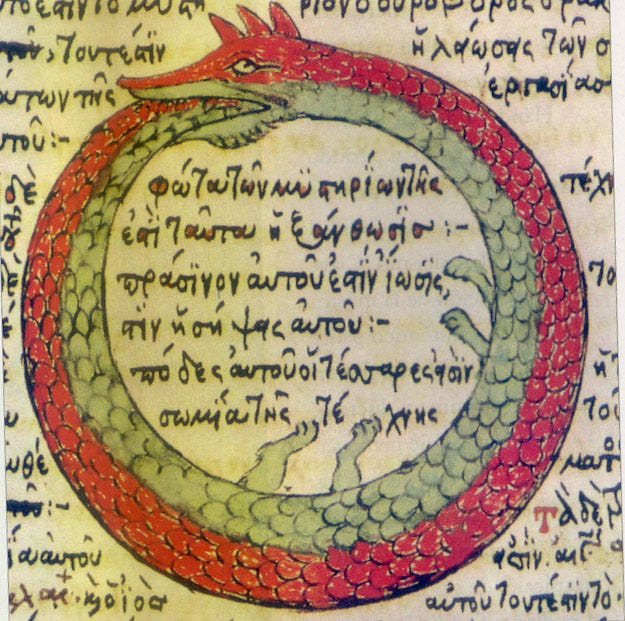
Hunter: The newsletter is my job. Everything else feels like something fun, something I feel curious about. But I do feel very seriously that people who read the newsletter are customers, and I am fulfilling my contract with them. I just think it’s the most disrespectful thing in the world to be like, “Okay, maybe it’ll come out, maybe it won’t.” Before I owe anyone else work, I owe them work—the readers. And then the brand stuff is just kind of fun. Sometimes it’s like working a different muscle. Like I’ll edit a TikTok and want to kill myself, because my thumbs are too big and my nails are too long to open CapCut. The podcast started as: I just want to have something with my best friend. And it all kind of feels like an ouroboros, where I’m talking about the same thing again and again. But there are people who read the newsletter but don’t listen to the podcast, and vice versa. And the TV stuff is maybe my dream. But if I could write my own series tomorrow, I would still keep the newsletter, because in the middle of the night I’m like, “I love a girl’s emotional support inner wrist tattoo,” and I need a place to say that.
Hanne: You’ve described yourself as having insane tunnel vision. That when you get one of these obsessions, you can really, really follow it. Why do you think that works for you and your audience?
Hunter: I think we just both have the same disease: being insatiable. I think that’s it. Part of it is growing up as an only child, where I just had to entertain myself a lot. And so I maybe will spend more time with something than other people did. The tunnel vision thing really came from one of my old editors who was like, “You have really bad tunnel vision.”
Hanne: Was it a compliment or an insult?
Hunter: No, it was an insult. She meant it. But then I was like, “Oh, yeah, I totally do.” In every part of my life.
Hanne: What’s the most embarrassing obsession that you’ve ever had tunnel vision about?
Hunter: Charlie Puth. I went through a big Charlie Puth phase. He really was the pop prince. Like, he should have been Justin Bieber of the next generation. And then there was one time that I went to see him in concert at Radio City, and I was singing along to every single song and did not mute my camera. And so everyone heard me singing along. One of my friends still talks about it to this day.
Hanne: How do you think about how much of yourself to bring into a celebrity profile?
Hunter: I think, none. In an ideal world you can get a sense of my curiosities, but it’s not about me. Whenever I read a profile that feels like too much about the writer, I’m like, okay, but what did George Clooney have to say?
And then there’s a real romance when you’re preparing for one, where you read everything about this person, everything they’ve ever said, and then you go into the interview and they are disappointing, just because you’ve built them up in your head. But that disappointment should not show up in the piece. There’s a real moment where you have to become very dispassionate. It’s almost like a breakup, because you really have to break up with your idea of someone and just tell the story as it happened.
Hanne: Is the disappointment because you’ve added something into the picture? Or is it always the same, that they’re more human than you thought?
Hunter: I think it’s just that they are human in general. It’s hard to get to know someone like Julia Roberts and be like, “Oh my god, she’s real. She’s a real person.” It’s honestly like when you go out on a date with someone. A little bit of air has just left, because now you’re real in front of me. You know when someone exists on a page for so long and then it happens, and it’s like: okay, we’re just two people talking.
Hanne: A lot of your writing in Hung Up weaves in your personal experience and relationships. What’s the internal thermometer about when you allow your personal life into your writing?
Hunter: The newsletter is written by me. At first I thought I wanted my friends to contribute and all of that. And then pretty quickly I was like, no. This is mine. I’m just such a perfectionist, I have to have my eyes on every single thing. I’ve grown to love that about the newsletter. I’m a star student, star employee, but a terrible boss. And I’m the only person deciding everything, which is nice.
Hanne: What’s your writing process actually like? You’ve mentioned a number of times that you wake up and you just have to write about something.
Hunter: Basically, yeah. I have a note in my phone of ideas that I think about when I wake up or when I go to sleep. Day to day, I’m quite strict about the scheduling. I have to be up, walk my dog, showered and at the desk by 9:30 at the latest. Then I’ll have a little lunch break, and in the afternoon when I can’t write anymore, I’ll watch a screener or go see a movie. And then I have a big burst of energy around 6, 7, or 8 p.m., and I’ll move locations, sit at the coffee table, and write there.
Hanne: You’re also doing the companion podcast for [the HBO medical drama] The Pitt. That seems like a slightly different muscle set.
Hunter: Something that I like about the newsletter that I hadn’t really considered before is that when I write something, everyone knows it’s coming from Hunter, who’s a Black woman, who’s 31, who lives in Brooklyn, who has a dog that’s a schnoodle but she won’t say that. She will say that she has a poodle mix, because schnoodle sounds insane.
When I was writing for Vulture, writing for a magazine, you don’t always have that context. There’d be times where I’d make a joke about SZA and someone would be like, “Oh my god, this white man is talking down to this Black woman.” It plays differently. With The Pitt podcast, it’s the first time in a while I’ve felt some of that, where people who listen don’t know anything else about me. I am myself, but I’m also kind of on my best behavior, because people might not get every one of my jokes.
Hanne: It sounds a little more like being on a stage than being in the living room hanging out with your Hung Up crew.
Hunter: Totally.
FOOTNOTES
Trees Lounge—Unexpected bar within Nitehawk Cinema in Prospect Heights, Brooklyn.
The Other Boleyn Girl—Panned by the Tulsa World critic. Defended by a 12-year-old Hunter.
Vulture’s Gossip Girl recaps—introduced a Hunter to writing about pop culture on the internet.
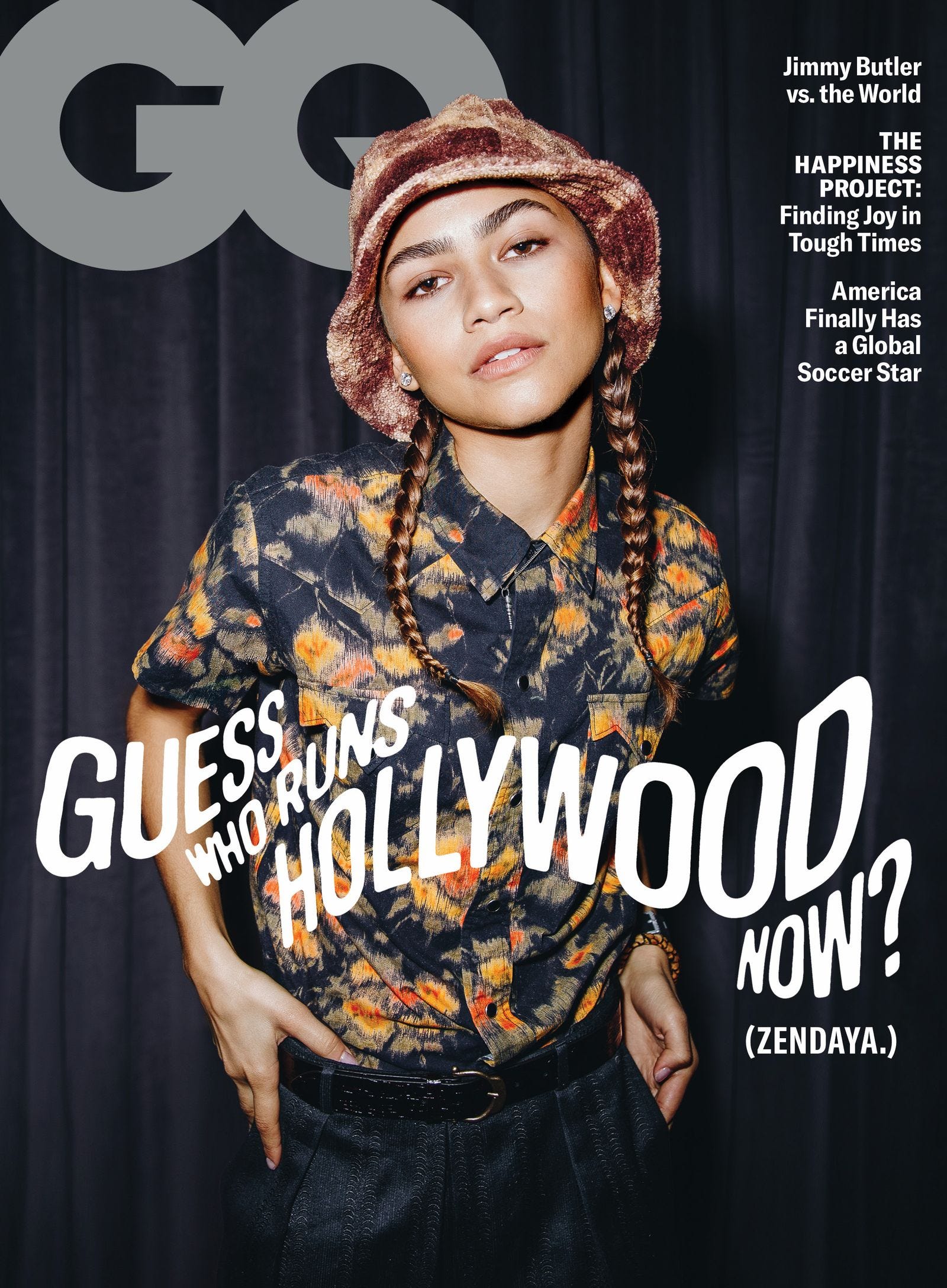
The Zendaya cover story for GQ
Charlie Puth—Underrecognized “pop prince” and subject of Hunter’s most “embarrassing” tunnel vision.
The Pitt—Hunter co-hosts the official companion podcast to the hit show.
Ouroboros—Ancient symbol of a snake eating its own tail. Hunter says her newsletter, podcast, and brand work exist in a loop.
Ask Polly—Written by Heather Havrilesky. Hunter’s North Star on Substack. “I could never be so raw, vulnerable, and also kind of moody and mischievous on the page.”
Friends with Money—Nicole Holofcener film in which all the characters are, in Hunter’s words, “absolutely rancid.”
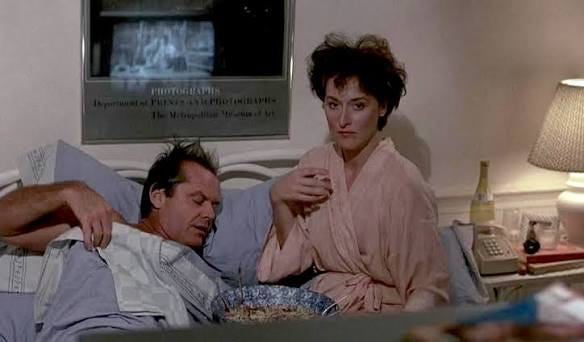
Incredible movie about eating in bed—Meryl Streep, Jack Nicholson, and a bowl of carbonara in Heartburn, based on the semi-autobiographical novel by Nora Ephron.
This conversation has been edited and condensed for clarity. New episodes of Open Tab drop weekly through June. You can watch on YouTube, listen wherever you get your podcasts, and always find the full series here on Substack.


